When Should a Female See a Gynecologist? Essential Timelines and Signs from a Trusted Expert
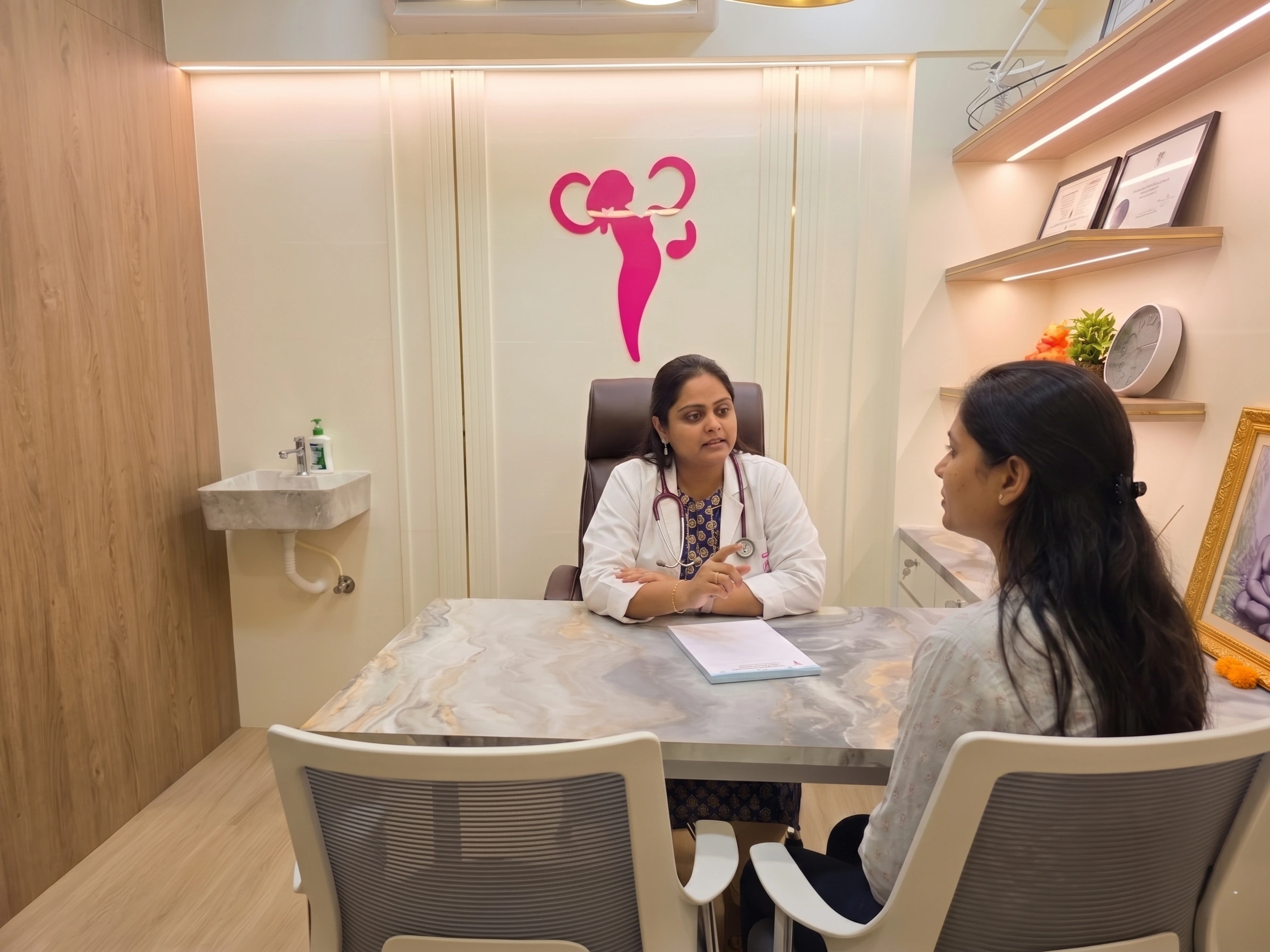
Routine gynecological care forms the foundation of women's long-term health. Many women delay visits until a problem arises, yet proactive checkups can detect issues early and promote overall well-being. As a seasoned gynecologist with years of clinical experience, we emphasize that understanding the right times to seek care empowers women to take control of their reproductive health. This guide outlines key milestones and warning signs based on guidelines from leading health organizations, helping you navigate when to schedule your next appointment.
Establishing a Baseline: First Visits and Routine Screenings
Every woman's journey with gynecological care begins with an initial visit, typically between ages 13 and 15. Health experts from the American College of Obstetricians and Gynecologists (ACOG) recommend this timing to discuss puberty, menstrual cycles, and safe practices. Even without symptoms, this establishes a health baseline.
For ongoing care, annual well-woman exams become standard once sexually active or by age 21. These visits include pelvic exams, breast checks, and discussions on contraception, vaccinations like HPV, and lifestyle factors. Pap smears start at age 21, with frequency adjusted by risk factors. ACOG guidelines suggest every three years for ages 21-29, then every three to five years with HPV co-testing after 30 up to age 65.
We advise adapting schedules to individual needs. Women with a family history of ovarian or breast cancer may need earlier or more frequent screenings, such as mammograms starting at age 40 per CDC recommendations.
Key Life Stages That Demand Prompt Attention
Women's health evolves through distinct phases, each with unique gynecological needs.
Adolescence and Young Adulthood
Irregular periods, acne, or excessive bleeding signal a need for evaluation. Conditions like polycystic ovary syndrome (PCOS) often emerge here. The World Health Organization (WHO) notes that early intervention prevents complications like infertility.
Reproductive Years
Planning pregnancy? Preconception counseling covers folic acid, screenings for STIs, and chronic condition management. During pregnancy, prenatal visits begin monthly after confirmation, increasing as delivery nears. Postpartum checkups occur 4-6 weeks after birth to monitor recovery and contraception options.
Perimenopause and Beyond
Around age 45, hormonal shifts bring hot flashes, mood changes, or irregular bleeding. Menopause typically arrives between 45 and 55. Annual visits track bone health, heart disease risk, and vaginal changes. After age 65, screenings may stop if prior results are normal.
In regions like India, where access to care varies, urban centers offer specialized support. For instance, finding the best gynecologist in Borivali ensures tailored advice amid busy lifestyles.
Recognizing Urgent Symptoms: When to Act Immediately
Not all visits are routine. Certain symptoms warrant same-day or next-day care to prevent serious outcomes.
Abnormal Bleeding: Heavy periods soaking a pad hourly, bleeding between cycles, or post-menopausal spotting. These can indicate fibroids, polyps, or endometrial issues.
Pelvic Pain: Severe cramps unrelieved by over-the-counter remedies, or pain during intercourse. Possible causes include endometriosis or infections.
Unusual Discharge: Foul-smelling, green, or bloody discharge suggests infections like bacterial vaginosis or STIs such as chlamydia or gonorrhea.
Breast Changes: Lumps, nipple discharge, or skin dimpling require prompt imaging.
Urinary or Bowel Issues: Frequent infections, incontinence, or changes post-childbirth.
The CDC highlights that untreated STIs affect millions annually, underscoring the need for rapid testing. If symptoms persist beyond 48 hours or worsen, contact a professional without delay.
Preventive Measures to Reduce Visit Frequency
Strong habits minimize the need for urgent care. Maintain a balanced diet rich in fruits, vegetables, and calcium to support hormonal balance. Exercise regularly, aiming for 150 minutes weekly per WHO standards, to manage weight and reduce PCOS risks.
Practice safe sex with condoms and regular STI testing if multiple partners are involved. Limit alcohol and avoid smoking, as tobacco raises cervical cancer risk. Track your cycle with apps to spot irregularities early.
Vaccinations matter too. The HPV vaccine, effective up to age 45 per recent approvals, prevents most cervical cancers. Stay current on influenza and tetanus shots.
Navigating Barriers to Care in Modern Life
In India, cultural stigma or busy schedules often delay visits. Yet, telehealth and walk-in clinics make access easier. Choose providers experienced in diverse needs, from adolescent care to menopause management.
When selecting a specialist, prioritize board-certified professionals with patient-centered approaches. Dr Pallavi Kulkarni's practice focus on empathetic, evidence-based care, integrating modern diagnostics like ultrasounds and colposcopy for accurate assessments.
Building a Partnership with Your Gynecologist
Effective care thrives on open communication. Prepare for visits by noting symptoms, medications, and family history. Ask about personalized risks, like genetic testing for BRCA mutations if cancer runs in your family.
Follow-up matters. Test results or treatment plans require adherence, whether managing diabetes in pregnancy or hormone therapy for menopause.
Long-Term Benefits of Consistent Care
Regular gynecological visits extend beyond reproduction. They screen for osteoporosis, cardiovascular risks, and mental health tied to hormonal changes. Studies from public health bodies show women adhering to guidelines have lower rates of advanced cancers.
Empower yourself by scheduling that baseline exam today. Whether starting your cycle or entering perimenopause, timely care safeguards your future.
In summary, see a gynecologist for first visits by 13-15, annual exams thereafter, and urgently for symptoms like abnormal bleeding or pain. Partner with experts like Dr. Pallavi Kulkarni to navigate these timelines confidently. Your health deserves priority.
Comments