Benin eVisa Process for Faroe Islands Citizens
Traveling to Benin is an exciting opportunity for tourists, and securing the proper travel documents is essential for a smooth journey. For those from the Faroe Islands, obtaining a Benin eVisa for Faroe Islands Citizens is the first step toward exploring this vibrant West African country. From the bustling markets of Cotonou to the cultural heritage of Ouidah, having your eVisa ready ensures you can enjoy your trip without any entry issues. The electronic visa system makes it easy to apply online, saving time and avoiding long lines at the airport.

Once in Benin, travelers can immerse themselves in its natural beauty and rich history. Visit Pendjari National Park for a safari adventure, stroll along the beaches of Grand-Popo, or experience traditional ceremonies and local cuisine in lively towns. With a Benin eVisa for Faroe Islands Citizens , tourists have the legal permission to enter and explore the country comfortably, making it possible to plan their itinerary with confidence. Remember to carry your passport, eVisa confirmation, and necessary travel documents to make your trip seamless.
What Type of Passport is Required for a Benin eVisa?
To qualify for a Benin eVisa, citizens of the Faroe Islands must possess an original passport that meets the following criteria:
- Validity: It must be valid for at least 6 months beyond the date of intended entry into Benin.
- Blank Pages: There should be at least two blank pages for entry and exit stamps.
- Condition: The passport must be in good physical condition (no significant tears or water damage).
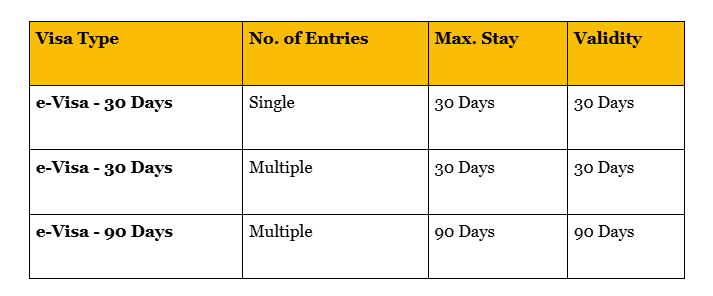
What are the Different Types of Benin eVisas Available?
Faroese citizens can select from three primary categories of eVisas depending on their length of stay and the frequency of their visits.
How Long Does the Benin eVisa Processing Take?
The Benin eVisa offers a highly efficient processing system, making it ideal for travelers with last-minute plans. Applicants can choose from three service tiers based on their urgency: Standard Processing, which takes 1–2 working days; Rush Processing, completed within 6–12 hours; and Super Rush Processing, available in just 1–6 hours. These flexible options allow travelers to receive their eVisa quickly and plan their trip to Benin with confidence, whether for tourism, business, or medical purposes.
How to Apply for a Benin eVisa from the Faroe Islands?
Applying for a Benin eVisa is a straightforward three-step process designed for user convenience:
- Fill Out the Online Form: Provide personal details, passport information, and travel dates. Ensure all data matches your passport exactly to avoid delays.
- Document Upload & Payment: Upload a digital scan of your passport's bio-page and pay the visa fee using a credit or debit card.
- Receive via Email: Once approved, the eVisa will be sent to your inbox. You must print this document to present to immigration officials upon arrival in Benin.
What are the Photo Requirements for a Benin eVisa?
While the eVisa application primarily focuses on passport data, some digital platforms may require a recent photograph. The standards usually include:

- Background: Solid white or off-white.
- Expression: Neutral face, eyes open, and mouth closed.
- Recent: Taken within the last 6 months.
- Clarity: No headwear (except for religious reasons) and no glare from glasses.
Why is My Benin eVisa Application Rejected?
While rare, rejections can happen. The most common reasons include:
- Typographical Errors: Misspelling your name or entering the wrong passport number.
- Passport Validity: The passport expires in less than 6 months.
- Blurred Scans: Uploading a passport scan that is unreadable or cuts off the Machine Readable Zone (MRZ).
- Inconsistent Dates: Your arrival dates don't align with the visa validity.
Is Travel Insurance Required for a Benin eVisa?
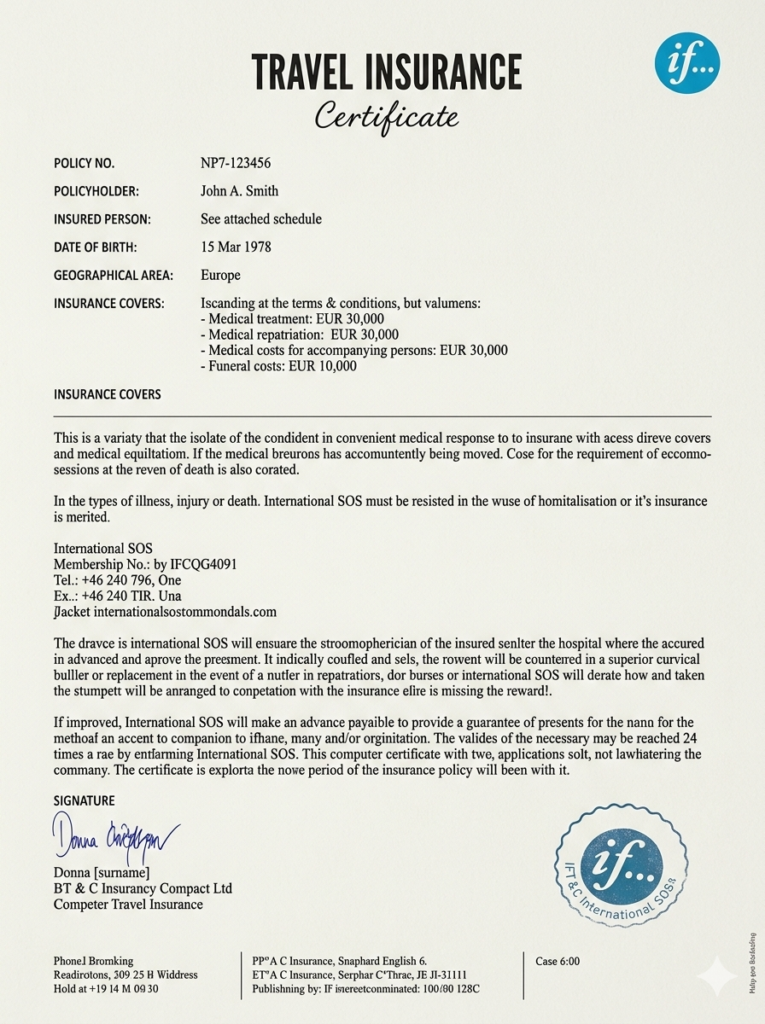
While travel insurance is not a mandatory requirement for the issuance of a Benin eVisa, it is strongly recommended. Medical facilities in Benin, particularly outside Cotonou, may be limited. A comprehensive policy that covers medical evacuation, accidents, and theft ensures peace of mind while exploring the Pendjari National Park or the stilt village of Ganvie.
What Should I Carry When Traveling to Benin?
Upon landing in Benin, ensure you have the following physical documents ready for the immigration officer:
- Printed eVisa: A hard copy of your approved electronic visa.
- Valid Passport: The same passport used during the online application.
- Yellow Fever Certificate: Proof of vaccination against Yellow Fever is mandatory for all travelers entering Benin.
- Return Ticket: Proof of onward or return travel.
What are the Entry Rules for Benin with an eVisa?
Travelers entering Benin with an eVisa must follow specific rules to ensure a smooth arrival. Knowing these entry regulations helps avoid delays, fines, or visa rejection at the border. Compliance with immigration requirements is essential for both short-term visits and longer stays.
- Valid eVisa Required: Travelers must have an approved eVisa before arriving in Benin. Entry is not permitted without it.
- Passport Validity: Your passport must be valid for at least six months from the date of entry.
- Purpose of Visit: You must adhere to the stated purpose of your eVisa (tourism, business, or medical travel).
- Duration of Stay: Entry is limited to the validity period of your eVisa; overstaying can result in fines or deportation.
- Supporting Documents: Carry necessary documents such as proof of accommodation, return tickets, and travel insurance if applicable.
- Customs and Health Rules: Follow Benin’s customs regulations and health requirements, including vaccination certificates if required.
Can I Extend My Benin eVisa?
Yes, you can extend your Benin eVisa if you wish to stay longer in the country. To do so, you must apply for an extension at the Immigration and Emigration Directorate (Direction Générale des Étrangers et des Migrants) in Cotonou. It is recommended to begin the extension process at least a week before your current eVisa expires to ensure sufficient processing time and avoid overstaying penalties. This allows travelers to enjoy more time exploring Benin without legal issues.
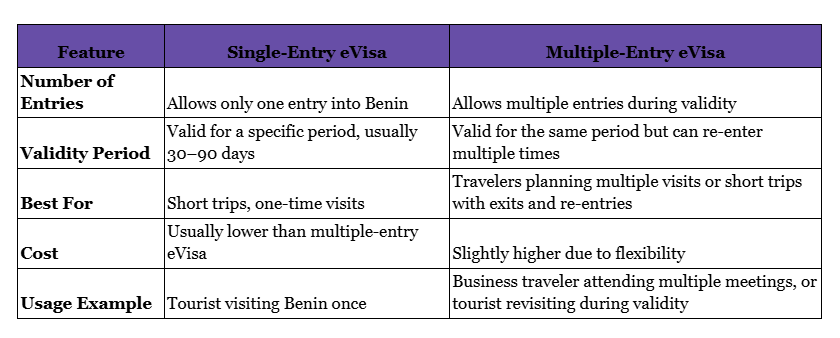
What is the Difference Between Single and Multiple Entry eVisa for Benin?
When applying for a Benin eVisa, travelers must choose between single-entry and multiple-entry options. The type of eVisa determines how many times you can enter Benin within the validity period. Understanding the differences helps plan your trip efficiently and avoid entry issues at the border.
What Payment Methods are Accepted for Benin eVisa?
To complete the online application, Faroese citizens can typically use international payment methods. The system usually accepts:

- Credit Cards: Visa, MasterCard, and sometimes American Express.
- Debit Cards: Any internationally recognized debit card with a CVV/CVC code.
- Digital Wallets: Some platforms may support local or global digital payment services.
Which countries citizens can apply for a Benin eVisa?
The Benin eVisa system allows citizens of many countries to apply online for short-term travel to Benin. Knowing if your nationality is eligible ensures a smooth application process and prevents last-minute travel issues at the border.
- Wide Eligibility: Most foreign nationals can apply for a Benin eVisa, especially from Europe, the Americas, Asia, and Oceania.
- How to apply Benin eVisa from Fiji
- Benin eVisa for Finland passport holders
- Benin eVisa requirements for French citizens
- Apply Benin eVisa online for French Guiana citizens
- Benin visa application process for French Polynesia citizens
- Purpose of Visit: Eligible travelers can apply for tourism, business, or medical-related visits.
- Passport Requirement: Applicants must hold a passport valid for at least six months from the date of entry.
- Online Application: Eligible citizens can complete their application online, upload required documents, and receive eVisa approval electronically.
- Travel Planning: Confirm your nationality eligibility before booking flights to ensure a seamless entry process.
Conclusion:
Traveling from the Faroe Islands to Benin is a journey into the heart of West African history and nature. By utilizing the eVisa system, Faroese citizens can avoid the complexities of traditional visa applications. The process is fast, efficient, and tailored for the modern traveler. Whether you are visiting the bustling markets of Cotonou, the historic slave route in Ouidah, or a business summit, having your electronic visa ready is the first step toward a successful trip. Always ensure your documents are accurate, keep a copy of your Yellow Fever certificate handy, and enjoy the legendary hospitality of the Beninese people.
Comments